There are several types of flatbed truck trailers, each designed to handle specific types of cargo and logistical needs. Here are some of the most common types:
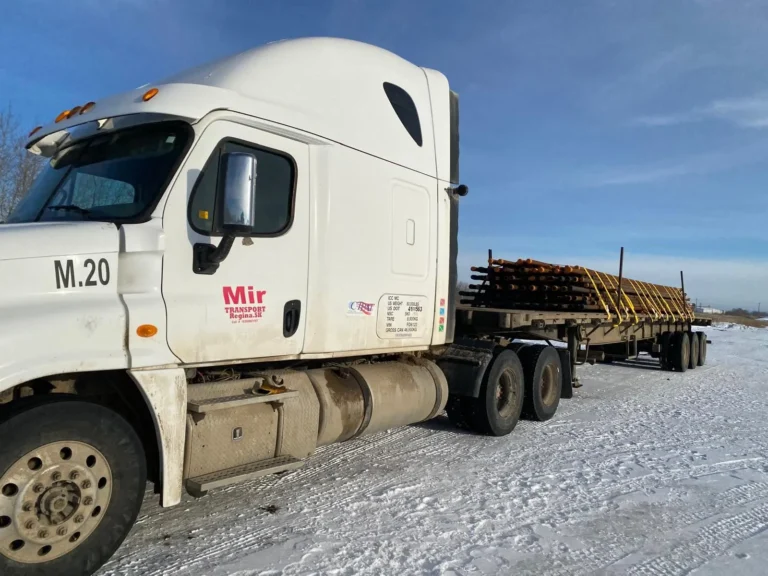
- Standard Flatbed: This is the most common and versatile type. It’s an open trailer with a flat deck, no sides, and no roof, allowing for easy loading and unloading from any direction. Standard flatbeds are typically 48 to 53 feet long and can haul a wide variety of freight like lumber, steel, machinery, and construction materials.
- Step Deck (or Drop Deck) Trailer: This type has a lower deck section after the gooseneck, providing extra height clearance for taller loads that might exceed legal limits on a standard flatbed. They are useful for transporting equipment and machinery that are slightly over the typical height restrictions.
- Lowboy Trailer: These trailers have a very low deck, making them ideal for hauling extremely tall and heavy loads such as construction equipment (excavators, bulldozers), large machinery, and industrial components. Some lowboys have detachable goosenecks (RGNs) that allow for driving equipment directly onto the trailer.
- Removable Gooseneck (RGN) Trailer: As mentioned, RGNs have a detachable front section (gooseneck) that can be lowered to the ground, creating a ramp for easy loading and unloading of heavy, wheeled, or tracked equipment. They are highly versatile for oversized and heavy cargo.
- Extendable Flatbed (or Stretch Flatbed) Trailer: These trailers can be extended in length to accommodate very long cargo like steel beams, pipes, and other lengthy materials that exceed the capacity of a standard flatbed.
- Double Drop Trailer: Similar to a lowboy, a double drop has a lower deck in the middle, positioned between a higher front and rear deck. This design allows for hauling the tallest legal loads, as the center “well” provides maximum height clearance.
- Side Kit Trailer: This is a standard flatbed with removable sides (usually wooden or metal panels) that can be added to contain loose materials or provide some protection from the elements.
- Conestoga Trailer: This is a flatbed trailer equipped with a retractable tarp system that covers the entire load, offering the weather protection of a dry van while retaining the loading flexibility of a flatbed.
- Auto Hauler: While a type of flatbed, these are specialized trailers designed specifically for transporting vehicles. They can be single-level or multi-level.
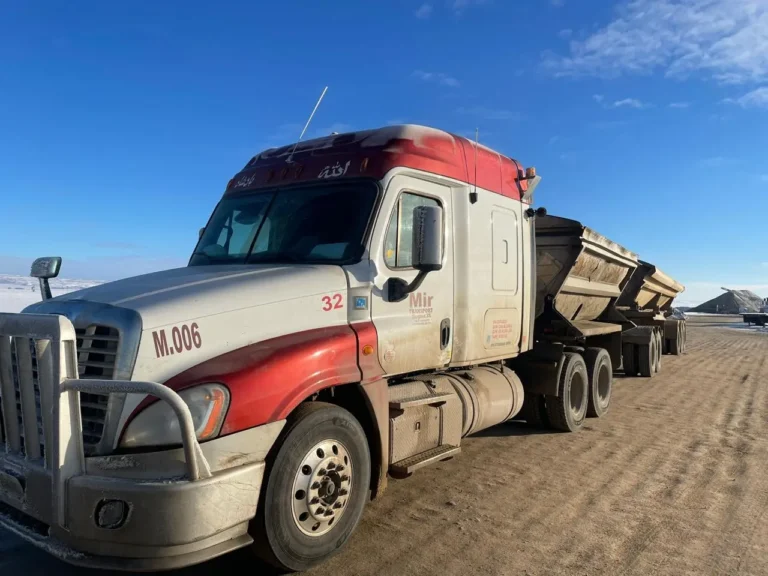
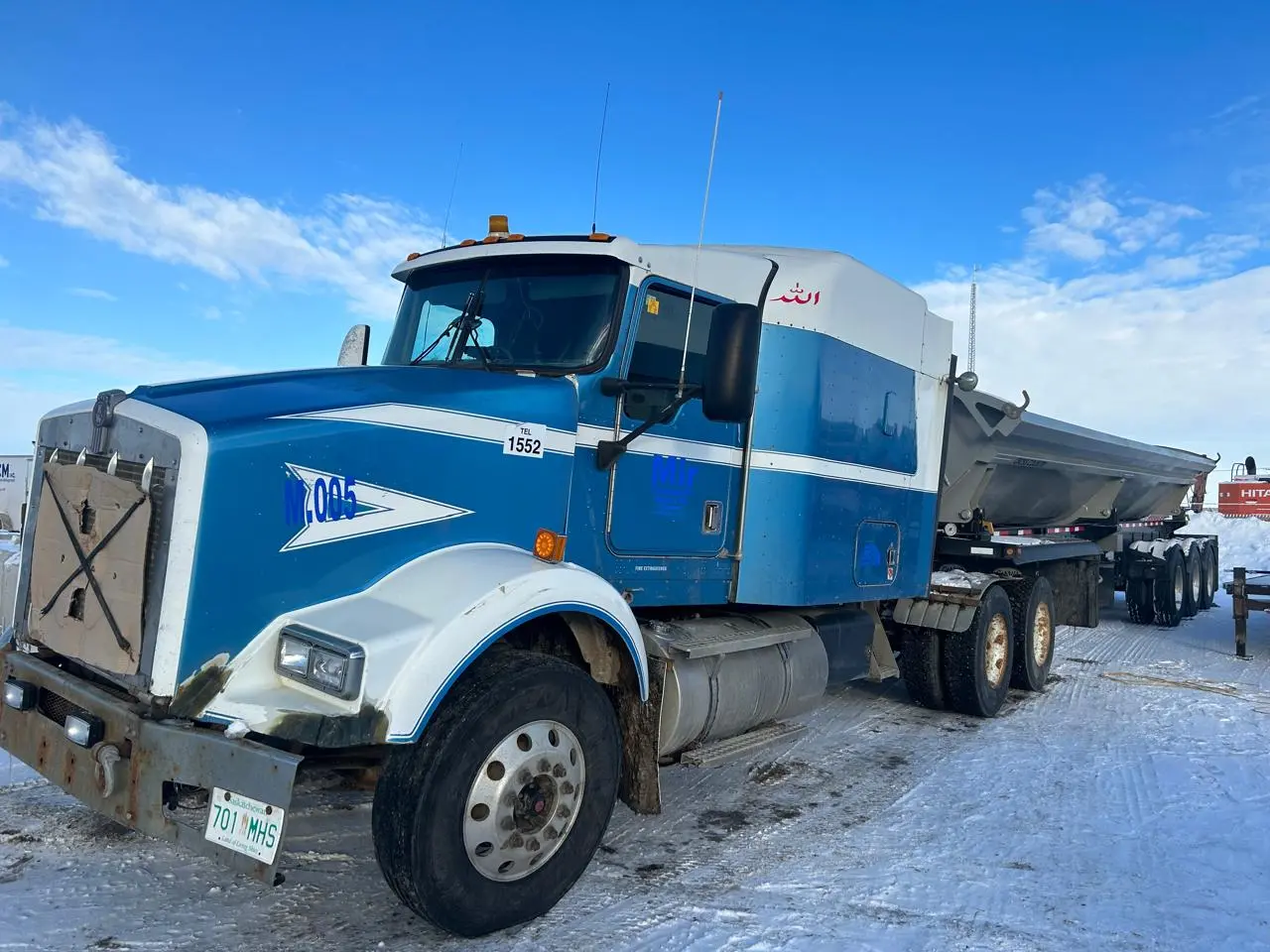
- B-Train Trailer: This configuration consists of two flatbed trailers connected by a fifth-wheel coupling, offering increased stability and maneuverability for hauling large volumes of cargo.
The choice of flatbed trailer depends on the specific dimensions, weight, and nature of the cargo being transported, as well as any height or length restrictions in the areas of travel.