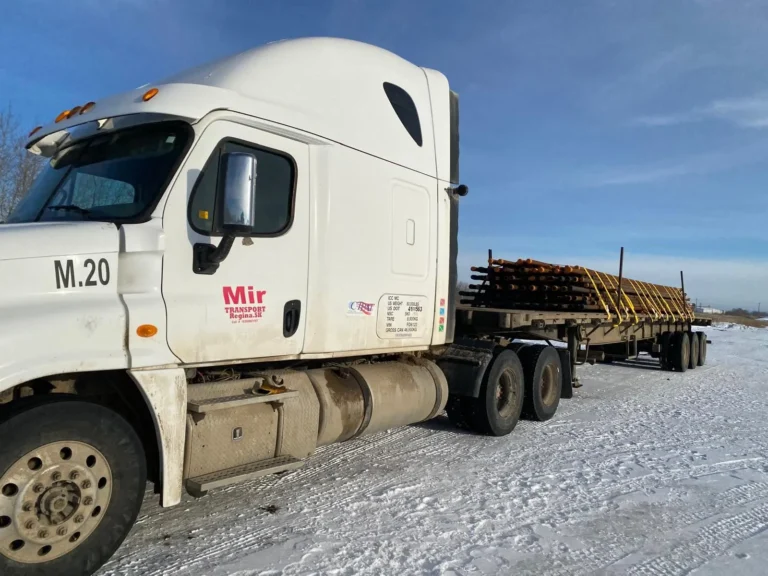

Flatbed trucking in 2025 continues to be a vital part of the transportation industry, specializing in hauling oversized, heavy, or irregularly shaped cargo that cannot be transported in enclosed trailers. As the industry evolves, it presents both advantages and disadvantages for those involved. Here’s a look at the pros and cons of flatbed trucking in 2025:
Pros:
-
- High Demand and Good Earning Potential: The demand for flatbed services remains strong across various sectors like construction, manufacturing, agriculture, and logistics due to ongoing infrastructure development and industrial activities. This often translates to competitive pay rates per mile, potentially leading to higher annual earnings compared to dry van trucking. Some reports suggest that flatbed drivers can earn significantly more per year.
-
- Versatility in Cargo: Flatbeds can handle a wide variety of freight, including lumber, steel, machinery, construction materials, vehicles, and oversized equipment. This variety can make the job more interesting and less monotonous than hauling the same types of goods in an enclosed trailer.
-
- Faster Loading and Unloading: Unlike dry vans that often require docking and maneuvering into tight spaces, flatbed loads are typically picked up and dropped off in open areas, often using cranes or forklifts. This can lead to quicker loading and unloading times, reducing delays and increasing efficiency.
-
- Active and Physically Rewarding Work: Flatbed drivers are often involved in securing their loads using straps, chains, and tarps, which requires physical exertion and can be appealing to those who prefer a more active job. This can be a welcome change from the sedentary nature of some other trucking jobs.
-
- Potential for Career Advancement: Developing expertise in securing specific types of loads and handling oversized freight can lead to career advancement opportunities and potentially higher-paying specialized flatbed roles.
-
- Less Maintenance: Flatbed trailers, with their open design, generally require less cleaning and maintenance compared to enclosed trailers.
Cons:
-
- Physically Demanding: Securing and tarping loads can be physically strenuous, requiring strength, balance, and flexibility. Drivers may need to lift heavy tarps and equipment, which can be a drawback for some.
-
- Exposure to Weather: Cargo on flatbeds is exposed to the elements, requiring drivers to work in various weather conditions, including rain, snow, and extreme heat, while securing or checking their loads. Additionally, the cargo itself can be affected by weather if not properly protected.
-
- Higher Responsibility and Risk: Improperly secured loads can lead to safety hazards, accidents, and cargo damage, placing a significant responsibility on the driver. Ensuring compliance with strict Department of Transportation (DOT) regulations regarding load securement is crucial.
-
- Challenging Driving Conditions: Maneuvering flatbed trucks, especially with oversized or heavy loads, can be more challenging, requiring specialized driving skills and extra caution, particularly in adverse weather or on winding roads.
-
- Strict Regulations and Permits: Transporting oversized or overweight loads necessitates adherence to specific regulations and often requires obtaining permits and potentially using escort vehicles, adding complexity to the job.
-
- Security Concerns: Open cargo is more vulnerable to theft compared to goods transported in enclosed trailers, although the typically large and heavy nature of flatbed freight can mitigate this risk to some extent.
-
- Potential for Longer Hauls: While some flatbed routes can be shorter, transporting specialized cargo may sometimes involve longer distances and more time away from home.
-
- Impact of Economic Fluctuations: The demand for flatbed trucking can be closely tied to economic activity in sectors like construction and manufacturing. Economic downturns might lead to reduced freight volumes.
-
- Shortages of Skilled Drivers: The specialized skills required for flatbed trucking can contribute to a shortage of qualified drivers, which, while potentially a pro for those in the field in terms of job security, can be a con for companies trying to find reliable carriers.
Overall Outlook for 2025:
The flatbed trucking market in 2025 is expected to see steady growth, driven by infrastructure projects and the continued need to transport large and specialized goods. Technological advancements like improved telematics and fleet management systems will likely continue to be adopted, enhancing efficiency and safety. However, challenges such as the shortage of skilled drivers and the need to navigate evolving regulations will persist. The spot market rates for flatbed trucking can be influenced by factors like seasonal demand, tariffs, and overall economic conditions, showing some fluctuations throughout the year.
For individuals considering a career in flatbed trucking in 2025, the potential for higher earnings and diverse work can be attractive. However, it’s essential to be prepared for the physical demands, responsibility, and the need for specialized skills and adherence to safety regulations.